Start with reconstruction cost and property details
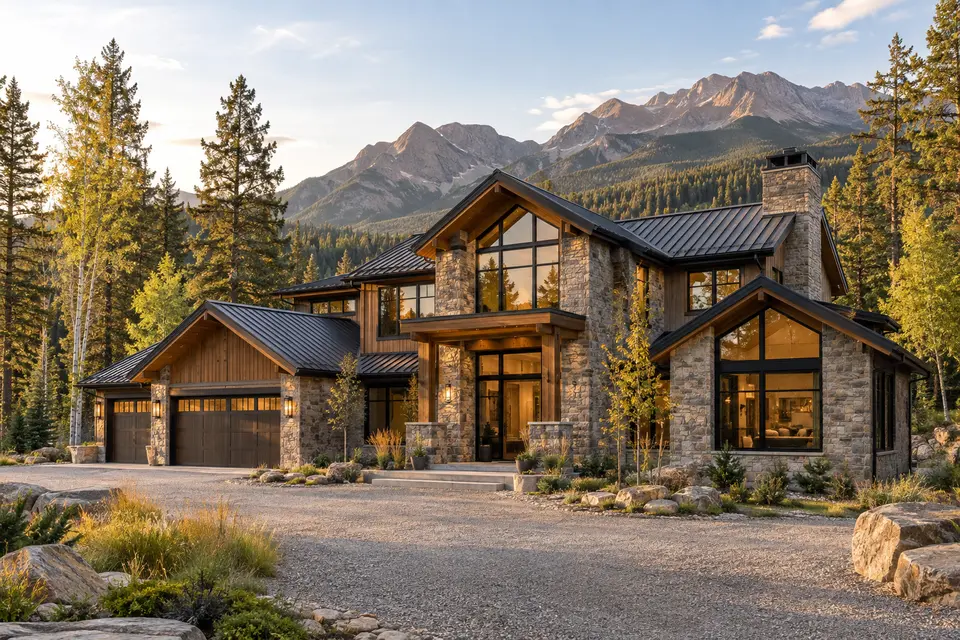
Our focus begins with homes having an estimated reconstruction cost of $750,000 or more. That figure describes the cost of reconstructing the building, not its sale price, mortgage balance, or land value. The reconstruction cost guide explains which details belong in that conversation.
The NAIC identifies construction, condition, fire protection, claims history, coverage, and deductibles among the factors that can affect home insurance pricing. A valuable home needs an accurate description of these features before a proposal is meaningful.
Bring a concise record of the roof, systems, occupancy, custom materials, and detached buildings. Note what is documented and what still needs confirmation. Ask the person preparing the estimate to explain unusual inputs, especially specialty finishes or a substantial difference from the prior year's reconstruction estimate.
Compare the whole arrangement in one place
Request a comparison covering the same policy period and the same disclosed property facts. Include every policy needed for the proposed arrangement, rather than comparing one home premium with another proposal that also includes separate protection.
| Part of the proposal | What to record |
|---|---|
| Home and other structures | Reconstruction estimate, insured limits, settlement provisions, and any separate treatment of guest houses or outbuildings. |
| Wind, flood, and water | Which causes of loss each policy addresses, the relevant exclusions, and whether an additional policy or endorsement is proposed. |
| Household protection | Valuables, other residences, liability, and umbrella arrangements included in this comparison. |
| Amount payable | Premiums, applicable taxes, itemized fees, installment charges, and any separate financing agreement. |
| Commitment and timing | Effective dates, inspection conditions, payment deadlines, and cancellation or refund provisions. |
Mark an unanswered item as a question to resolve. A blank space should not silently become an assumption that the benefit is included. Our household coverage overview can help organize the policies you want reviewed together.
Put deductibles beside the savings
A higher deductible may reduce the premium, but the amount you would retain after a covered loss matters too. The Texas Department of Insurance explains dollar and percentage deductibles. For your proposal, ask for both the percentage and its dollar calculation, together with the event that activates it.
List the ordinary property deductible, wind or hail deductible, hurricane or named-storm deductible, and any separate flood deductible that applies. Confirm the calculation basis and how often each can apply. Do not assume one payment satisfies every deductible across separate policies.
Use a practical question: if the covered event happened soon after purchase, could you comfortably fund the proposed retained amount? Dividing a deductible increase by annual premium savings does not predict when a loss will happen or settle whether the tradeoff fits your finances. Compare affordability and policy terms together.
Ask what changed when one proposal costs less
A lower premium deserves a clear explanation. Request a side-by-side review of limits, covered causes of loss, exclusions, roof settlement, water restrictions, and additional living expenses. Ask the agent to identify differences that would matter to this particular home.
The Texas Department of Insurance's shopping guidance emphasizes coverage amounts, deductibles, and additional coverage needs. Apply that comparison to specific features: an older slate roof, a finished basement, a guest house, or rooms with custom cabinetry.
For roof changes, use the roof and hail guide. For water restrictions, use the water damage guide. Ask about the written settlement conditions instead of relying on a broad description such as comprehensive or premium coverage.
Document improvements and discuss available choices
Prepare dated evidence of completed work and ask how the specific insurer evaluates it. This might include a roof replacement invoice, documented electrical or plumbing updates, or information about a protective device. Ask whether an inspection or particular certification is needed before spending money solely to obtain an insurance benefit.
Compare the household as well as the home. An arrangement involving home, auto, valuables, and umbrella deserves a review of its overall terms even when the policies are placed separately. A quoted discount is one input, not the complete decision.
If standard options are limited, request an explanation of any proposed surplus lines arrangement, including itemized costs and applicable protections. A difficult renewal can still lead to a useful review. Start with the actual deadline and the facts that need clarification.
Common questions
Can you estimate my premium from my home's sale price?
The sale price alone does not describe the home or the proposed coverage. Reconstruction cost, property details, location, and underwriting information belong in the review. A written quote based on those facts is more useful than an unsupported online price range.
Does a higher reconstruction estimate mean the policy is overpriced?
Ask what inputs produced the estimate before drawing that conclusion. Review custom materials, building size, updates, and any differences from the prior estimate. Correct inaccurate information while keeping the insurance discussion focused on the building's reconstruction needs.
Is the lowest premium always the best choice?
The price needs to be read alongside the coverage and your retained costs. Ask what changed in deductibles, exclusions, settlement terms, and separate policies. Decide after those differences are clear.
Should I choose the largest available deductible?
Request the savings and the dollar amount you would retain for each applicable event. Consider whether you could comfortably fund that amount after a covered loss. A simple savings calculation does not account for when losses occur or how separate deductibles apply.
Will a home improvement guarantee a lower premium?
Do not assume a particular improvement produces a discount or an offer. Ask the insurer what documentation and eligibility requirements apply. Keep the work's safety, maintenance, and insurance purposes clear when making the decision.
What should I send for a useful comparison?
Start with current declarations and endorsements, the renewal or non-renewal notice, and the required effective date. Add accurate roof, systems, occupancy, claims, and reconstruction details. Mention any separate flood, valuables, other-home, or umbrella policies you want reviewed.