Explain the occupancy before comparing policies
The NAIC's secondary-home guidance emphasizes that use and occupancy influence the insurance needed. A regularly visited second residence, seasonal property, home occupied by relatives, rental, and property awaiting renovation can present different questions. Policy definitions of vacancy and unoccupancy also need review.
Describe the typical calendar in plain language: who stays, for how long, whether anyone pays, and the longest period without an occupant. Identify a caretaker or property manager if you use one. Accurate information gives the specialist a useful starting point without forcing the property into an unsuitable category.
Match property coverage to the location and building
Review the rebuilding estimate, detached structures, contents, and policy's covered causes of loss. A second-home contract should not be assumed to match the coverage on a primary residence. Ask specifically about wind, wildfire, water damage, theft, and any exclusions relevant to the location.
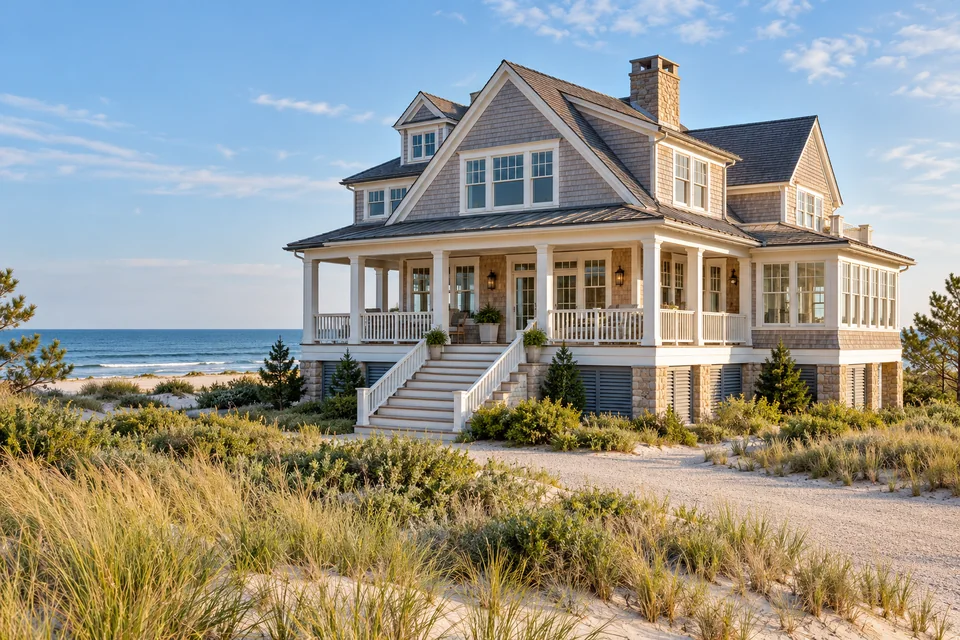
Flood is a separate conversation. FEMA's flood insurance guidance explains that most homeowners insurance does not cover flooding. Review flood options and limits for the property rather than using a lender's requirement as the entire risk assessment. For a coastal home, ask how flood, wind, and any hurricane deductible work across the proposed policies.
Disclose rentals before accepting a booking
Occasional rental use can change the insurance discussion. The NAIC cautions that ordinary homeowners coverage may not address home-sharing losses. A booking platform's protection should be reviewed alongside your own contract, including what it excludes.
Explain the expected number and length of rentals, who manages the property, and any special amenities offered. Ask about guest injury, damage, business exclusions, and any requested rental income coverage. Confirm the arrangement before listing the home, and disclose material changes later.
Prepare a second-home review checklist
- Gather the property address, ownership details, current coverage, and renewal or closing deadline.
- Describe personal use, family stays, rentals, renovations, and periods between visits.
- List monitoring, alarm systems, water shutoff equipment, and caretaker arrangements.
- Ask about heating, inspections, and other duties during unattended periods.
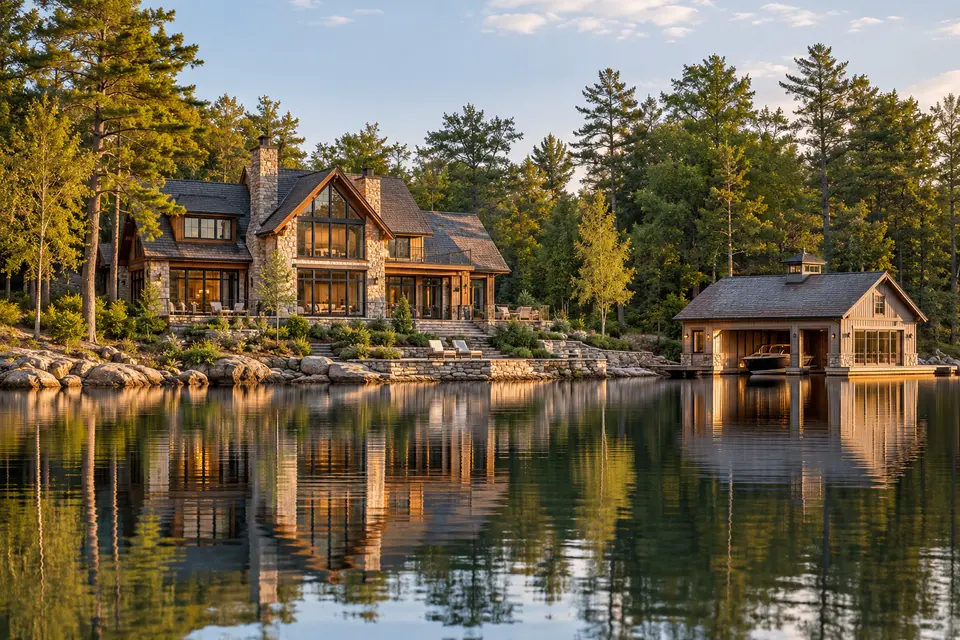
- Identify valuable items, detached buildings, pools, docks, and watercraft for separate review.
- Confirm how the property is treated under any umbrella or excess liability policy.
These details help organize a useful review; no particular device or caretaker guarantees eligibility or a discount. If a non-renewal creates urgency, provide the notice and deadline early. There may be options worth investigating even when a property has several complicating factors.
Our service area includes 46 states, excluding California, New York, Rhode Island, and Hawaii. Options depend on the specific property and underwriting. The goal is a coordinated conversation about the home and household, with each requested coverage evaluated on its own terms.
Common questions
Does my primary homeowners policy automatically insure a second home?
Do not assume that it does. A second building typically needs its own coverage arrangement, and related liability should also be reviewed. Provide the address before relying on an existing policy.
Is an occasionally used second home considered vacant?
The answer depends on the policy's definitions and the facts. Furnishings, occupancy patterns, and time away may matter. Describe the situation accurately and ask how the proposed contract treats it.
Can I rent the home for a few weeks each year?
Ask your insurer or specialist before accepting rentals. Even occasional paid stays can change how the policy responds. Obtain coverage that reflects the actual arrangement rather than relying only on platform protection.
Does a coastal second home need flood insurance?
Evaluate flood protection separately from the home policy. Most homeowners policies exclude flooding, and the absence of a lender requirement does not eliminate flood exposure. Review available limits, exclusions, deductibles, and any waiting period.
Will an umbrella include my vacation property?
It may, if the property and underlying coverage meet the umbrella's requirements. Report the address, ownership, use, and liability limits. Ask for confirmation instead of assuming every residence is included.
Can I begin a review before buying the home?
Yes, an early review can identify important insurance questions before closing. Share available property details, inspection information, and the expected closing date. Any proposal remains subject to underwriting and confirmation that coverage is bound.