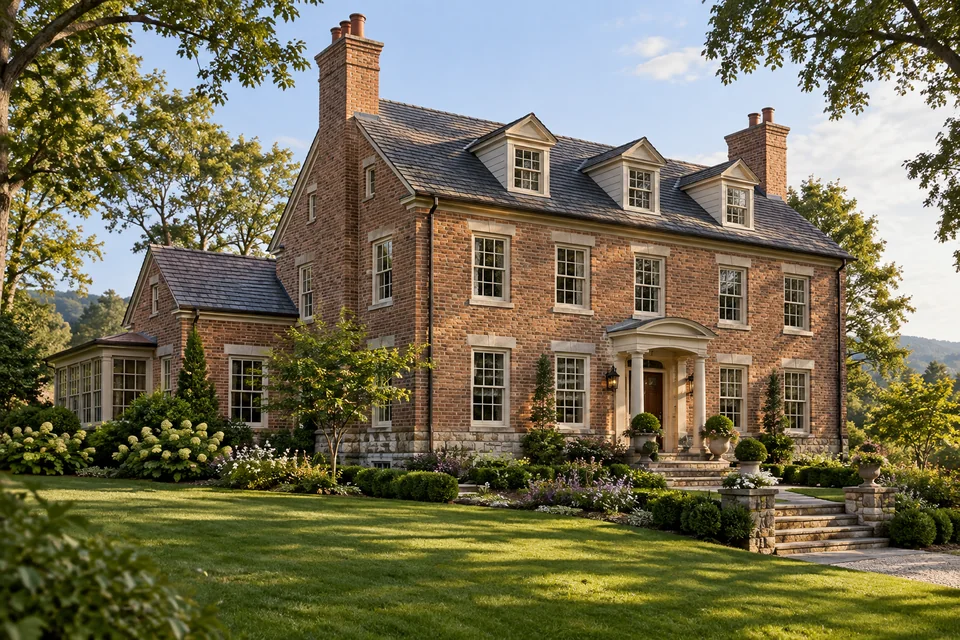
Define historic before assuming what it requires
A house can be old, architecturally significant, locally designated, listed on the National Register, or subject to an easement. These are different circumstances. Ask which designations and recorded agreements actually apply to your property.
The National Park Service explains that National Register or National Historic Landmark status does not by itself impose federal restrictions on a private owner's changes when federal funding, licensing, or permitting is not involved. State laws and local ordinances may impose separate requirements. Do not assume a listing automatically demands exact reproduction, or that it eliminates every restriction.
Provide relevant preservation approvals and agreements when discussing the home. Ask the appropriate preservation office or your professional adviser to explain obligations you do not understand.
Match the valuation conversation to the actual building
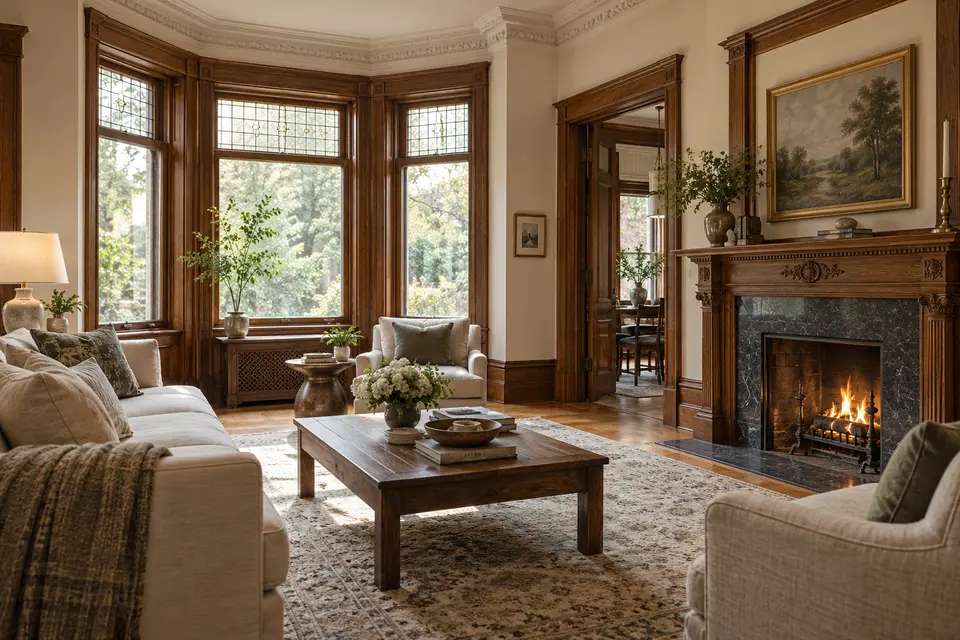
The amount someone would pay to buy the property serves a different purpose from the cost to reconstruct its building. Start a room-by-room description of materials and features you would want reflected in the insurance discussion. Include photographs of ornamental plaster, custom woodwork, stone details, fireplaces, specialty roofing, and unusual windows.
Ask whether the estimate addresses specialist labor, sourcing, demolition, and the particular construction methods involved. Share dated restoration proposals or architectural records when available. A single cost per square foot should invite questions when it leaves important features unexplained.
Replacement cost, functional replacement, and actual cash value are not interchangeable settlement concepts. Have the proposed wording explained using one distinctive feature in your own home as an example. Confirm what any enhanced replacement provision requires rather than relying on its label.
Bring condition and updates into focus
A home's original construction date does not describe every system inside it today. A clear update history helps separate preserved architectural character from aging equipment or unresolved repairs.
- Roof material, installation dates, repair history, and current inspection information.
- Electrical service, panels, wiring work, and permits or professional evaluations.
- Supply plumbing, drain materials, documented replacement, and leak protection.
- Heating equipment, chimneys, fireplaces, and maintenance records.
- Occupancy, renovation plans, contractor involvement, and any periods of vacancy.
- Prior claims, completed repairs, and remaining work.
Provide dates and documents where possible. If work is planned but not completed, describe it accurately and ask whether coverage conditions apply before, during, or after the project.
Ask about restoration costs beyond the main building limit
Review ordinance or law coverage for applicable rebuilding requirements, debris removal, detached structures, and loss-of-use limits. Ask whether the proposal addresses the time needed for a specialized repair and what limits or conditions remain. A preservation requirement and an insurance payment obligation are separate questions.
For materials that are unavailable or impractical to replace, involve a qualified preservation professional. NPS guidance on substitute materials stresses compatibility and historic character; it does not decide your insurance coverage. Get both the construction plan and the insurance interpretation clarified.
High Value Home Insurance welcomes inquiries for historic residences with estimated reconstruction costs of $750,000 or more in 46 states, excluding California, Hawaii, New York, and Rhode Island. Coastal exposure, wildfire concerns, or a non-renewal deserve a coordinated review alongside the home's historic features.
Common questions
Does a historic home need a special kind of insurance?
The label alone does not determine the correct policy. Materials, rebuilding expectations, condition, occupancy, and applicable restrictions all matter. Compare the proposed coverage with those specifics before deciding whether it fits.
Will insurance pay to reproduce every original detail?
That cannot be assumed from the home's designation or the phrase replacement cost. Policy language, limits, exclusions, and loss settlement provisions govern payment. Ask how the proposal would address the features that matter most to you.
Does National Register listing require exact restoration?
Listing alone does not create a general federal requirement that a private owner restore every feature. Federal involvement, state or local rules, and preservation agreements can change the analysis. Identify the actual requirements for your property before setting restoration expectations.
Can updated systems help describe an older home?
Yes, documentation can give a more accurate picture than the original construction year alone. Include the scope and dates of electrical, plumbing, heating, and roof work. Underwriters still make their own assessment, and updates do not guarantee acceptance or a particular price.
Should I tell the insurer about a restoration project?
Discuss the planned work before it starts. Project size, structural changes, occupancy, and vacancy may affect the appropriate insurance arrangement. Ask what documentation and coverage are needed during construction as well as after completion.
Are antiques insured as part of the building?
Movable antiques and collections should be reviewed as personal property rather than automatically included in the building estimate. Permanently installed architectural elements raise a different question. Provide an inventory and ask about relevant limits, valuation, and any separate coverage needed.