Do not let a broad label replace the property details
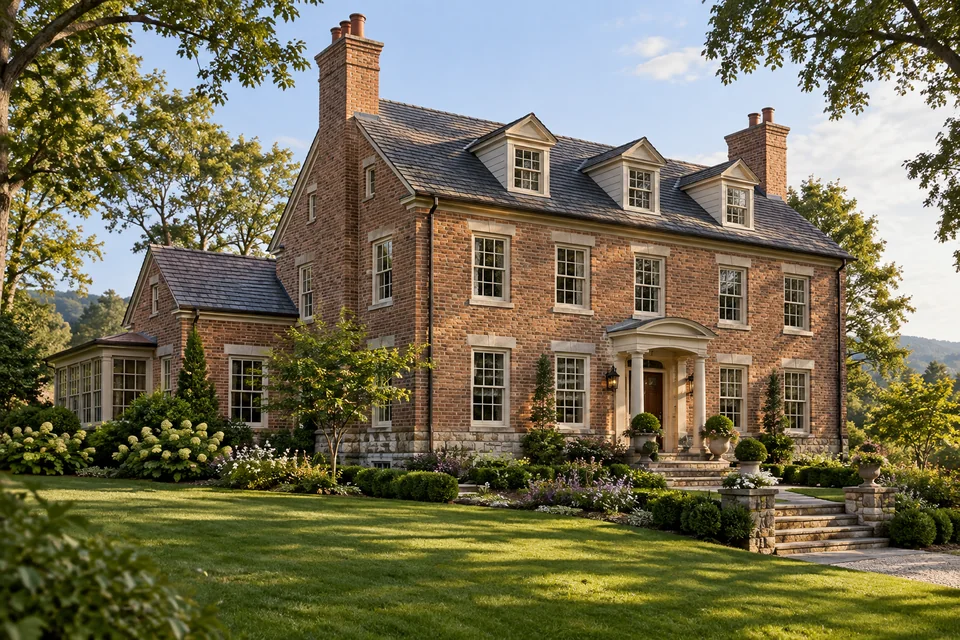
Describe the building's roof, exterior materials, vents, decks, nearby vegetation, and surrounding structures. Include current photographs and any available wildfire assessment. Explain fire department access, gates, driveway constraints, and water supply rather than assuming the mailing address tells the complete story.
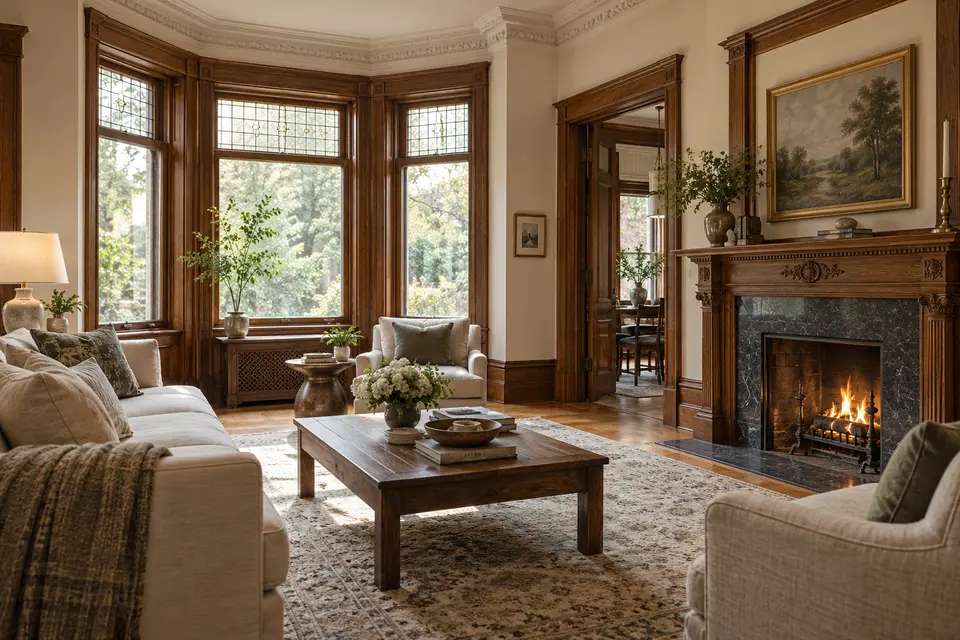
Separately document custom materials, restoration work, and the features that make the building expensive to reconstruct. A historic home can present both an ignition concern and a valuation concern. Addressing one does not answer the other.
High Value Home Insurance reviews complex and affluent-home inquiries in 46 states, excluding California, Hawaii, New York, and Rhode Island. The discussion is property-specific; a wildfire designation or a difficult renewal does not tell us every term that may be available.
Plan improvements with both fire resistance and preservation in mind
IBHS research identifies the first five feet around a building as an important area for reducing ignition pathways. Its Zone 0 research also shows why well-watered vegetation near a home should not automatically be considered harmless. Review combustible groundcover, stored items, and fencing connections alongside the building itself.
Ask a qualified professional about roof and gutter debris, ember entry points, roof fire classification, and deck vulnerabilities. For an older residence, bring a preservation professional into proposed changes that could affect historic fabric. Confirm required approvals before changing protected features.
Historic designation and insurance requirements should be checked separately. National Register status alone does not impose general federal alteration restrictions on a private owner without federal involvement, but other rules or agreements may apply. A documented plan can help everyone discuss realistic improvements without promising that a particular retrofit will produce coverage or a discount.
Ask direct questions about the offered coverage
The NAIC advises confirming wildfire coverage and any separate deductible. Do this with the actual proposed policy and endorsements, even when fire coverage appears in a summary.
- Is wildfire included, and are there relevant exclusions or special conditions?
- How would covered smoke, soot, and ash damage be evaluated?
- What deductible applies, and how is any percentage converted to dollars?
- What loss settlement wording applies to original materials and custom features?
- What limits address debris removal, code-related work, and detached structures?
- What additional living expense or civil authority terms apply, including triggers and time limits?
Request written answers where possible. Do not treat private wildfire response services as a substitute for evacuation instructions or assume such services are included in an insurance proposal.
Prepare a file that stays useful over time
Keep before-and-after photographs, invoices, material specifications, and dates for completed work. Add the home's reconstruction information, designation records, current insurance, claim history, and any non-renewal notice. Store a secure copy somewhere you can access away from the property.
Record the difference between work already completed and improvements still being considered. Ask what evidence an underwriter needs before committing to a project for insurance purposes. If a renewal deadline is approaching, discuss timing immediately rather than waiting until every planned improvement is finished.
Review flood separately as well. Fire-related changes to vegetation and soil can create additional water hazards, and ordinary home insurance should not be assumed to address them. Coverage planning and an emergency evacuation plan serve different purposes, so keep both current.
Common questions
Does homeowners insurance always include wildfire?
Many homeowners policies cover fire damage, including wildfire, but the actual contract must be checked. Special exclusions, deductibles, and conditions can change the terms. Request the proposed policy wording rather than relying only on a summary.
Will clearing vegetation guarantee an insurance offer?
No individual improvement guarantees eligibility or a specific premium. Property-level mitigation is only part of an underwriting assessment. Document completed work and ask which improvements are relevant to the options being considered.
Can I improve fire resistance without losing historic character?
Some improvements may be compatible with preservation goals, but the appropriate solution depends on the building. Involve qualified fire mitigation and preservation professionals when evaluating materials and changes. Confirm applicable approvals before altering protected features.
Does an evacuation order automatically trigger living expenses?
An evacuation order alone does not establish the amount or duration of an insurance benefit. Civil authority and loss-of-use provisions contain specific triggers and limits. Ask how those provisions apply before assuming temporary housing will be reimbursed.
Is smoke damage treated exactly like a burned structure?
Smoke, soot, and ash can raise different documentation and evaluation questions from direct burning. Coverage depends on the policy and the facts of the damage. Ask about applicable provisions and how a claim would be documented.
What should I send after receiving a wildfire-related non-renewal?
Start with the complete notice and the date existing coverage ends. Add current property photographs, roof details, mitigation records, and information about historic features. A review of those facts can help identify potential next steps without guaranteeing placement.