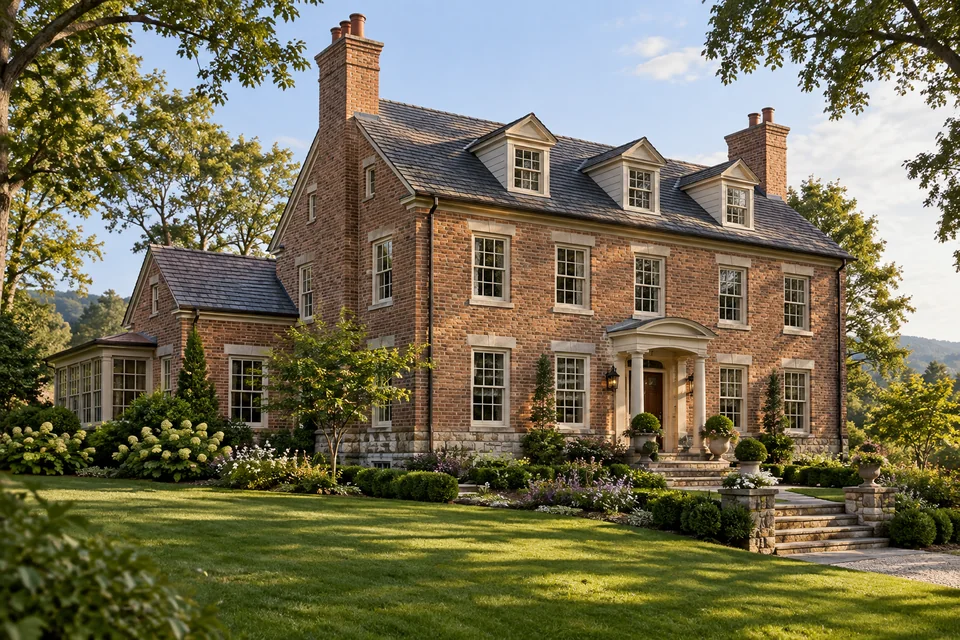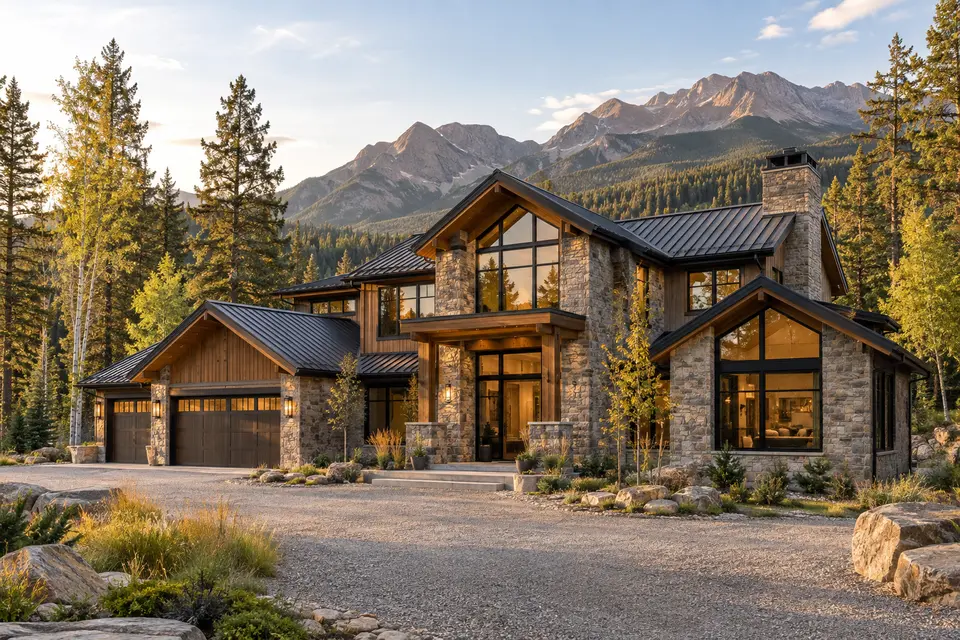
Describe the home, its surroundings, and its fire protection
Prepare a clear picture of construction materials, roof condition, nearby vegetation, property use, and existing safety improvements. The NAIC identifies distance to fire protection and a water source among factors that can affect home insurance pricing. For a rural property, ask which information is needed about the responding department, access route, and available water supply. Do not guess at a protection classification or assume that straight-line distance answers the question.
Include detached buildings and explain whether the property is occupied throughout the year. A seasonal mountain home may require an occupancy discussion alongside wildfire underwriting. If you have received a non-renewal notice, keep its reason and effective date available; our non-renewal guide helps organize that first conversation.
Start mitigation at the house, then work outward
Wildfire preparation involves more than clearing distant trees. IBHS research emphasizes the roof, vulnerable exterior features, and the area immediately beside a building. Wind-driven embers can find ignition points even when flames have not reached the walls. Ask a qualified professional to identify relevant improvements rather than treating one upgrade as complete protection.
- Review roof fire resistance and maintain roofs and gutters free of accumulated combustible debris.
- Evaluate vents, eaves, decks, and other vulnerable building details.
- Address combustible vegetation, mulch, stored items, and attached fencing immediately beside the structure.
- Manage vegetation farther out using qualified guidance suited to the site.
- Keep dated photographs and records of completed work.
IBHS specifically identifies the first five feet around a home as a priority noncombustible zone. Its guidance is a risk-reduction resource, not a declaration that a home is fireproof or eligible for insurance. Ask a prospective insurer what documentation or assessment it accepts before assuming improvements affect its decision.
Consider access and evacuation before there is an emergency
A scenic private drive may have gates, tight turns, overhead vegetation, bridges, or only one exit. Ask the relevant fire authority to evaluate emergency access and water-supply considerations. Share reliable documentation with the insurance specialist when requested; an online map is not a substitute for an actual site review.
The U.S. Fire Administration recommends planning evacuation routes, knowing how gated exits operate, and considering bridge load limits for responding vehicles. Make a household plan that includes children, guests, animals, medications, and anyone needing extra assistance. Register for official alerts and follow emergency instructions promptly. Insurance paperwork, photographs, and last-minute property preparation must never delay leaving an unsafe area.
Read the wildfire terms and the rebuilding terms together
Ask the insurer or specialist to identify where fire and wildfire are addressed, including any applicable exclusions, deductibles, or restrictions. A familiar policy label is not enough. Review the dwelling, other structures, belongings, debris removal, and code-upgrade provisions separately. Request explanations of any special endorsements instead of assuming every proposal protects the same things.
For a custom home, a careful reconstruction-cost review is essential. Describe specialized materials and access challenges as valuation questions. Review any additional replacement protection and its conditions. If original craftsmanship or preservation requirements complicate restoration, use our historic-home wildfire guide alongside this one.
Also review additional living expenses. The NAIC explains that this coverage generally addresses necessary increased living costs after qualifying covered damage, with dollar or time limits depending on the policy. Ask separately about evacuation without direct damage to your home. Do not assume every evacuation automatically triggers a payment.
Keep the next conversation practical, even after a decline
A coverage review should compare actual options, not just find a policy with an acceptable premium. Ask what has been considered and why a particular proposal is being recommended. If a FAIR Plan is suggested, first confirm that a relevant plan exists and that the property qualifies. These arrangements vary by state and should not be assumed to replace a comprehensive homeowners policy.
Ask which protections are included, missing, or available only through another arrangement. A high reconstruction cost makes the adequacy of the limit especially important. Avoid canceling existing insurance on the strength of a quote alone; confirm that replacement coverage is bound and effective. If additional improvements are requested, ask which are requirements and which are suggestions.
Request a wildfire and rural-home quote review with your state, main concern, estimated reconstruction cost, and any deadline. Mention work already completed, even if you do not yet have a formal assessment. We can begin by organizing the questions; eligibility, terms, and price remain subject to underwriting.
Common questions
Does being in a wildfire area mean my home cannot be insured?
Not necessarily. Availability depends on the property, location, insurer, and underwriting requirements. An accurate review can help identify which options merit consideration, but cannot guarantee an offer.
Will clearing vegetation guarantee a lower premium?
No. Mitigation can reduce physical vulnerabilities, but insurers differ in how they evaluate improvements. Ask which work they recognize and what proof they require before assuming a price or eligibility change.
Does a fire-resistant roof make the entire house fireproof?
No. Embers and nearby burning materials can affect other vulnerable parts of the property. Review the roof, exterior details, surroundings, and maintenance as a connected set of concerns.
Can a rural home be reviewed without a nearby hydrant?
You can still begin a coverage discussion. Provide accurate information about responding fire protection, access, and any water-supply arrangements. The insurer determines whether those circumstances meet its requirements.
Will my policy pay for a hotel after an evacuation?
That depends on the policy and the event. Coverage for displacement after damage and coverage triggered by a civil-authority evacuation may have different conditions. Ask about the specific wording and keep expense records.
Do I need a finished mitigation report before requesting a quote?
Not to start the conversation. Share your current insurance information, any deadline, and the improvements you know about. A specialist can explain what further documentation a potential insurer needs.