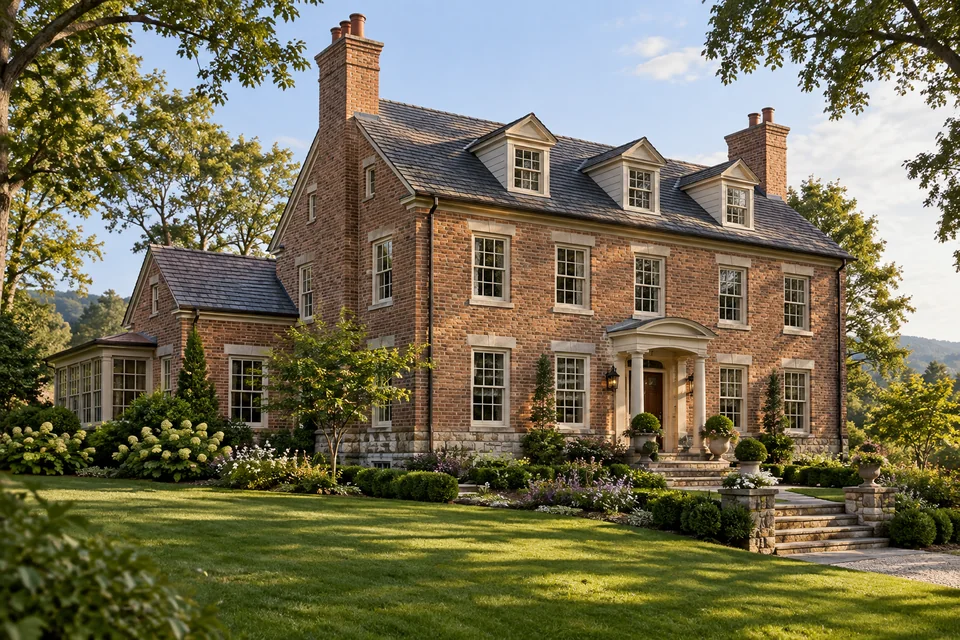
Hypothetical: a historic home receives a non-renewal
The homeowner has restored original woodwork and updated some systems, but receives a non-renewal notice before the next policy term. The house is well cared for; the concern is how to explain its distinctive construction and the reason for the notice without starting from scratch.
A useful review begins with the notice, effective date, completed updates, and any inspection findings. Which plumbing and electrical components were replaced? Which original materials remain? Does the existing reconstruction estimate describe those features accurately? If roof condition is mentioned, what does the contractor's assessment say?
Bring the timeline from our non-renewal checklist together with the property details in our historic-home guide. Requesting a review does not establish replacement coverage. Keep the existing arrangement in place until any new coverage and its effective date are confirmed.
Hypothetical: a seasonal home needs a better water plan
A family uses a mountain retreat regularly in summer and less often during winter. It has upstairs laundry, finished rooms below, and a neighbor who checks on it. They want to understand the insurance and prevention questions before their next extended absence.
Start with the real occupancy pattern, not a shorthand label. Who receives a leak alert, and who can reach the home? Does a device only notify someone, or can it operate a connected shutoff valve? What protection and maintenance does the insurer require during time away?
Use the second-home guide alongside our water-damage and leak-protection review. Ask separately about plumbing damage, drain backup, freezing conditions, and flood. Neither an installed sensor nor a high dwelling limit establishes that every water event is insured.
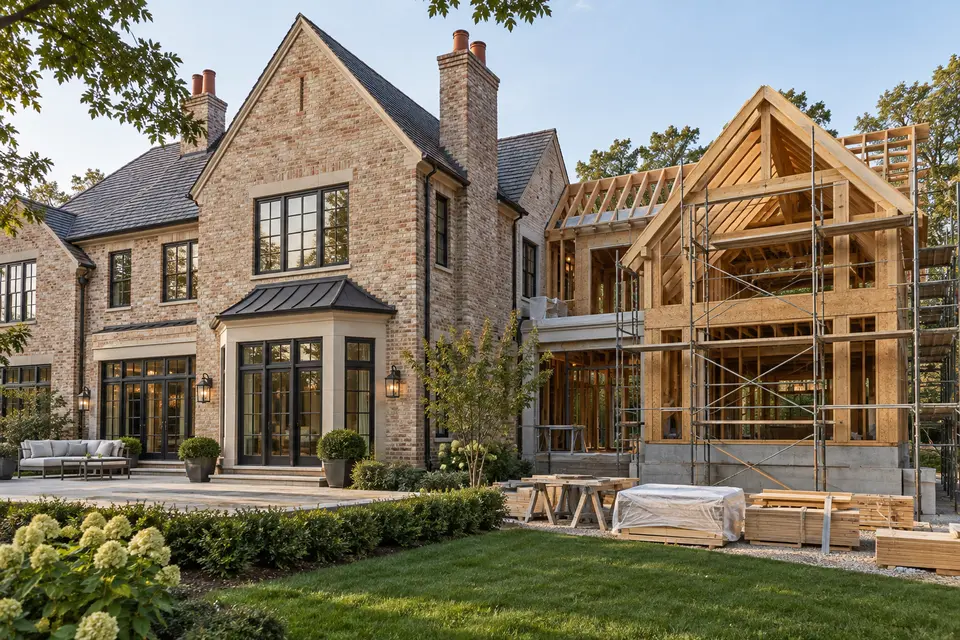
Hypothetical: a substantial renovation changes the home
The owners plan a kitchen restoration and an addition, with a temporary move-out during structural work. Their contractor says the business is insured. The owners need to know who protects the existing house, the new work, and their belongings throughout the project.
Before work begins, describe the scope, schedule, occupancy, and estimated cost to the insurance specialist. Ask whether the current arrangement remains suitable or whether construction-specific protection is needed. Discuss materials awaiting installation, property moved into storage, and who is responsible for arranging each policy.
Our renovation insurance guide organizes those questions. As completion approaches, revisit the cost to rebuild the finished home. Treat the move from construction coverage to completed-home coverage as a planned handoff, not an assumption.
Hypothetical: the home is only one part of the household
A household has a primary residence, a coastal second home, several vehicles, and an art collection acquired over time. Policies were purchased separately as needs arose. The owners want a coherent review without assuming every item must be placed with the same insurer.
Begin with an inventory of residences, household members, drivers, ownership arrangements, and existing policies. Which valuables have individual coverage? Is flood addressed separately? Which underlying policies and minimum limits are required by the additional liability arrangement? Ask who needs to be named or otherwise recognized in each contract.
Explore whole-household coverage and the distinct role of umbrella and excess liability. Coordinating the discussion helps identify questions; it does not mean every exposure is eligible or every gap can be filled.
Turn the example into your own starting point
Pick the details that resemble your situation and leave the others behind. Start with your property state, main concern, estimated reconstruction cost if known, and any deadline. Add other homes or household needs you want considered.
Request a personalized quote review with what you know today. You can identify missing documents rather than postpone the conversation. Any available coverage, pricing, and effective date remain subject to the actual application, underwriting, and policy terms.
Common questions
Are these examples based on customers you insured?
No, they are expressly hypothetical. They illustrate information and questions that can help organize a review. They do not represent results, testimonials, or promises of available coverage.
What if my home fits several examples?
Describe every relevant concern. A historic home can also be seasonal, undergoing renovation, or facing a non-renewal. The review should consider the combination rather than force the home into one category.
Should I wait until I have every document?
No, you can begin with the information you have. Identify estimates and missing records clearly. The specialist can explain which additional details are needed before options can be evaluated.
Does submitting a request put coverage in force?
No, a request begins a review. It is not a binder, policy, or confirmation of insurance. Obtain explicit confirmation of coverage and its effective date before relying on a replacement arrangement.
Can I include vehicles, valuables, and other homes?
Yes, identify the household needs you want considered. Providing the broader picture helps organize questions about the policies and exposures involved. Eligibility and available terms still require separate evaluation.
What if I have an urgent renewal or closing deadline?
Put the deadline near the beginning of your request. Explain whether it relates to an existing policy, lender, purchase, or construction project. A deadline helps prioritize the discussion but does not guarantee placement by that date.